Telfar Opens First NYC Flagship Store at 408 Broadway
December 10, 2025
Address: 408 Broadway, New York City
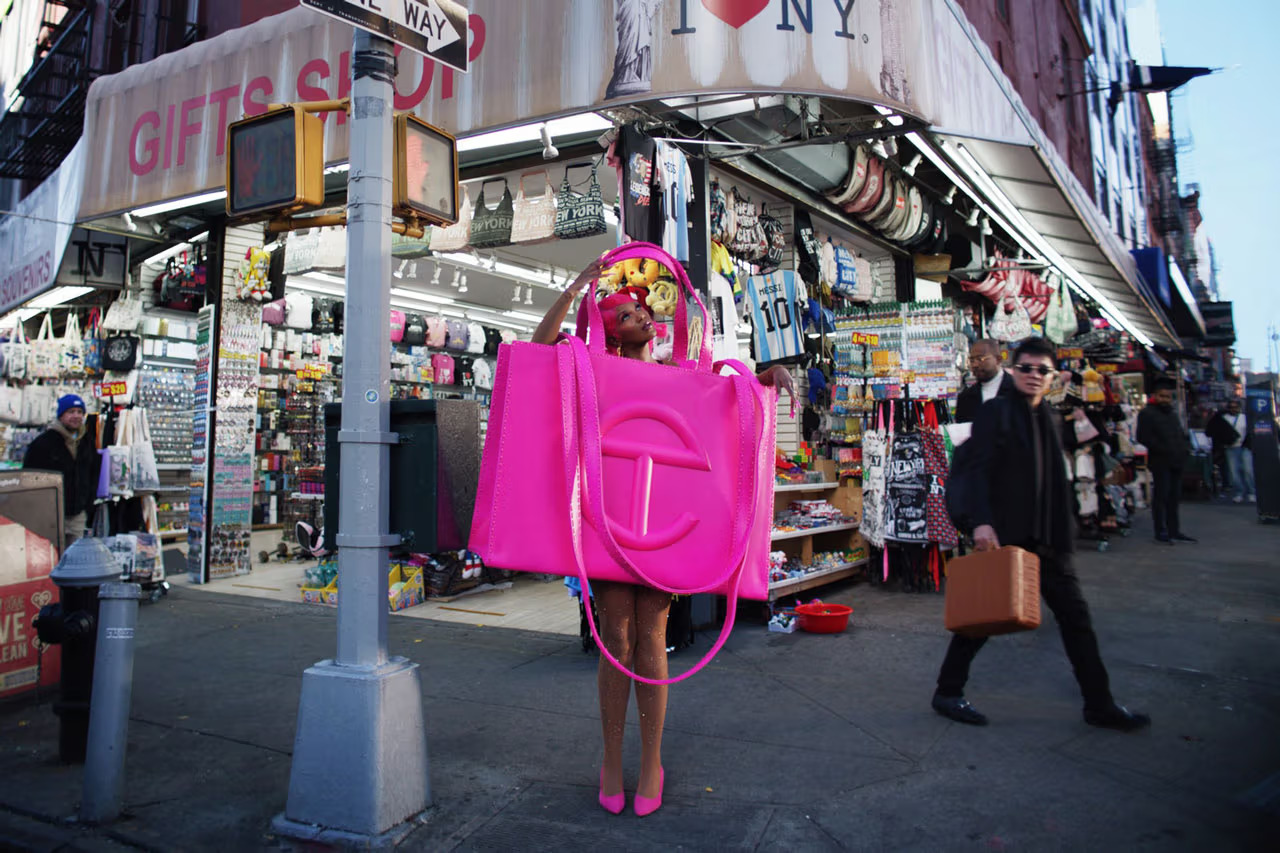
The corner of Canal and Broadway is not a subtle location. It's one of New York's busiest intersections souvenir blankets, counterfeit handbags, luxury duplicates stacked on folding tables.
For decades, this block has been the city's most honest mirror of how desire and access work in fashion. Someone makes something people want, someone else makes it available to the people who can't afford the real thing.
Telfar chose it on purpose.
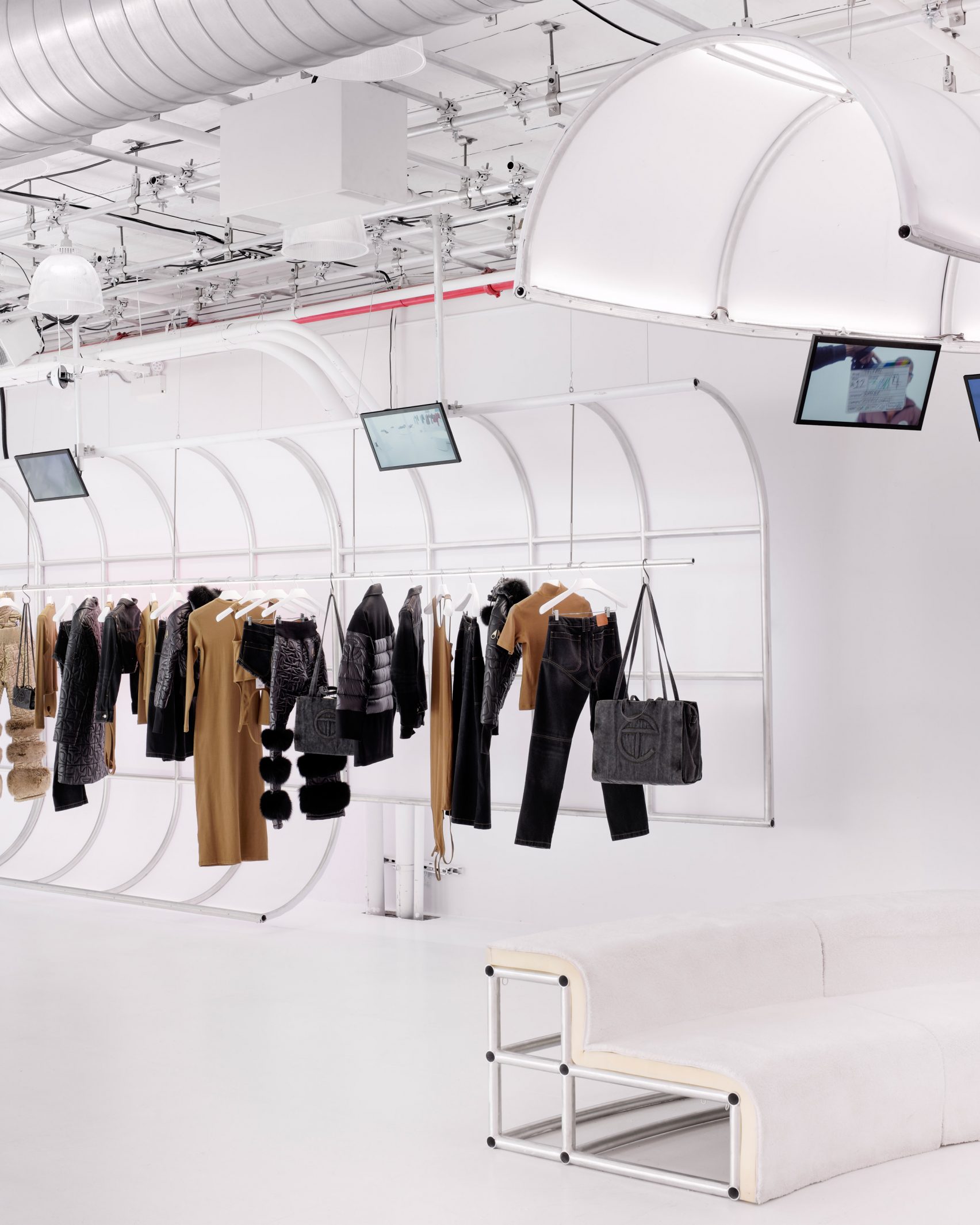
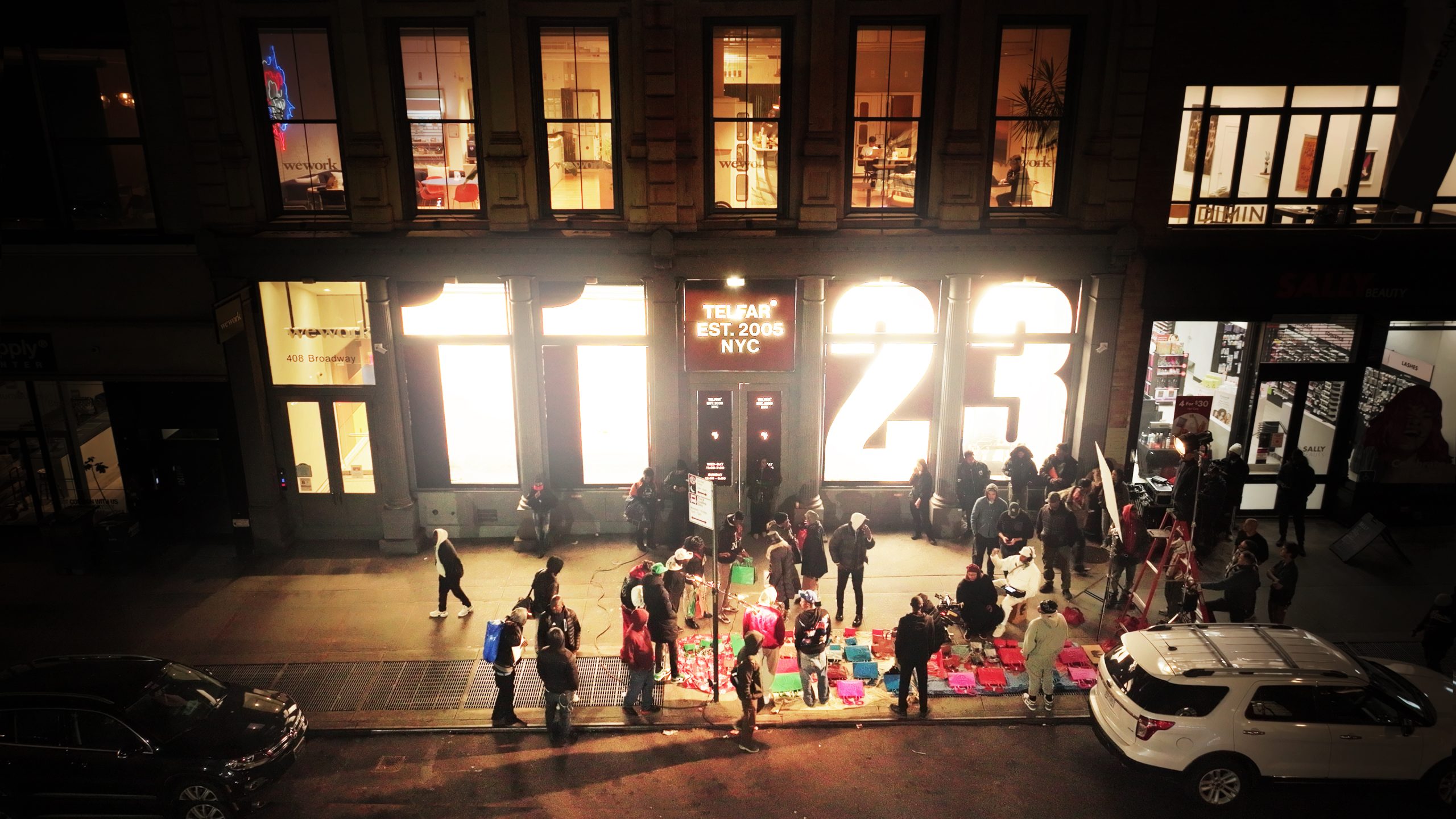
On November 23, the brand born in Queens opened its first permanent flagship at 408 Broadway a 10,000-square-foot space that the brand describes as "half retail boutique and half public access television studio." That framing tells you everything about what Telfar is actually selling, which has never just been the bag.

The opening doubled as the unofficial kickoff to the brand's 20th anniversary and Clemens wasn't subtle about the weight of the moment. "Everybody knows our name," he told Essence ahead of the launch, "but people don't really know our history. We want to make ourselves clear: Telfar is the biggest Black-owned brand in fashion history." The store is part retail milestone, part declaration.

Designed by Clemens alongside creative director Babak Radboy, the space is built for a specific kind of customer one who was already making content about Telfar before they walked in. At the center of the store sits a television studio, a live soundstage where visitors can shoot their own footage, broadcast it on screens throughout the interior, and have it amplified on the massive LED wall facing the street. The flagship doesn't just sell things to its community; it gives them the equipment to speak back.
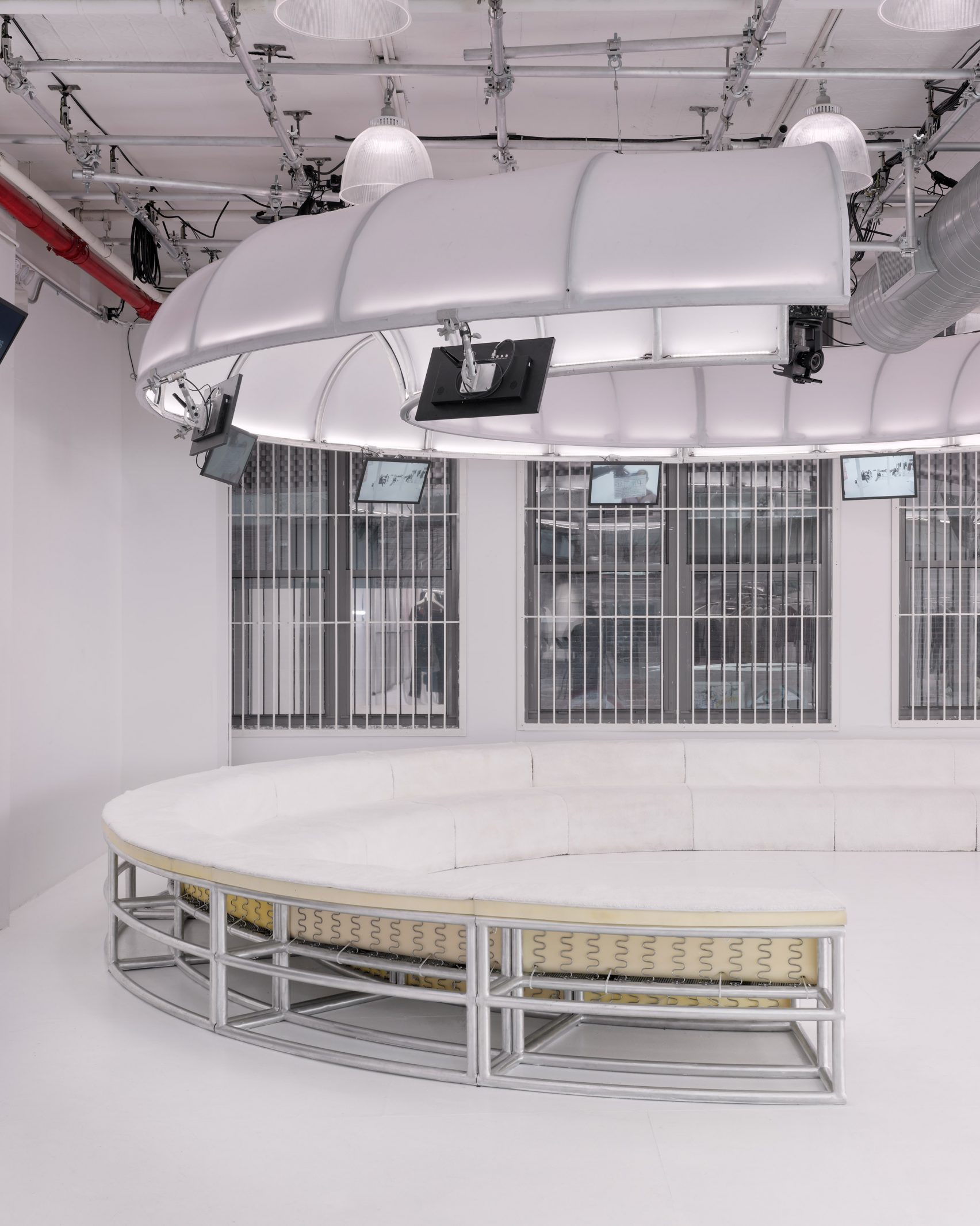
That logic runs throughout. The Bag Bar, one of the store's main draws is laid out like a Chinese takeout menu, illuminated and systematic, featuring every Telfar bag ever made, plus off-menu styles that haven't been officially released.

Telfar's ready to wear sits on garment racks built by local fabricators to resemble bodega awnings a direct nod to the block the store now occupies. The store's doors are etched with small vinyl cutouts of the African continent. The whole space is coded with meaning for people who've been paying attention.

Over 2,000 people showed up for the grand opening. There was a live talent show hosted by Ian Isiah, Gitoo, and Aya. Teezo Touchdown and Lil Kim made appearances. The block outside turned into an impromptu party. Dazed reported that every single person in attendance dressed like they meant it.

The location itself is also a statement. By planting the flagship right at Canal and Broadway ,surrounded by the counterfeit economy that has long trafficked in Telfar's own iconography the brand is drawing a physical line. "There is still a difference between fake and real," the brand said before opening. That's both a declaration of authenticity and a comment on the entire question of access in fashion. Telfar built its model around making luxury genuinely reachable the Bag Security Program, the fixed retail prices, the drops designed to defeat resellers. The flagship is the next move in that same argument.
.png)