Why Brands are Building Cafes Inside Stores: Cafe Strategy
March 31, 2026
Specifically, how long a brand can keep you inside their store before you leave and how that can translate into loyalty.
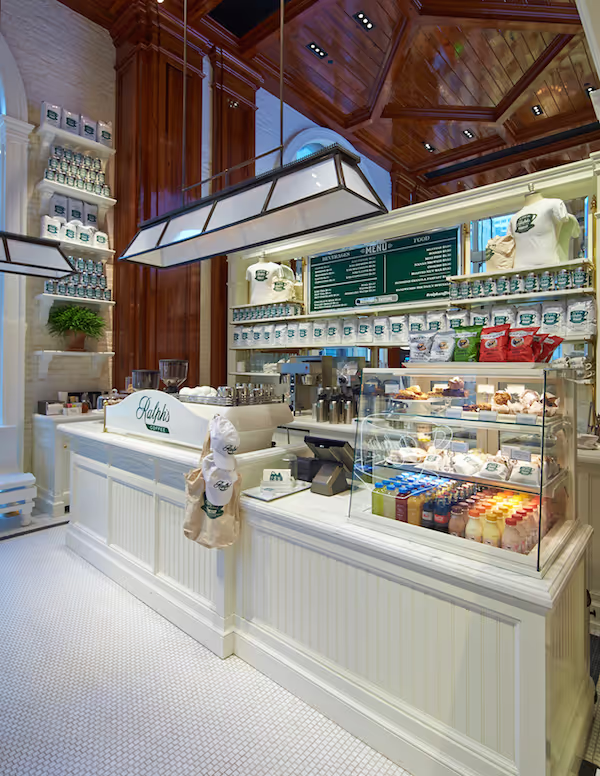
Back in 2014, Ralph Lauren quietly opened a coffee shop inside one of its flagship stores. It felt, at the time, like novelty. A decade later, that decision quietly became one of the most copied strategies in retail. The brands that are winning physical retail right now are not doing it with better products. They are doing it with time. Specifically how long they can hold you inside your store.
.avif)
Physical retail has been losing ground for years. E-commerce is faster, cheaper, and offers more selection than any store can match. By 2024, global e-commerce sales had surrpased $6 trillion dollars.
They can compete on atmosphere and presence
In retail there is a metric called dwell time
How long a customer stays inside a store before they leave. A simple metric that quietly shapes everything. What people why, how they feel about the brand, and whether they come back.
Here’s how the numbers break down roughly
More time in the store means more exposure to product, more immersion in the brand’s world, more chances for a purchase to happen naturally. The cafe doesnt just make the store nicer. It fundamentally changes what a visit looks like.
Location: 224 Mulberry St, New York, NY 10012
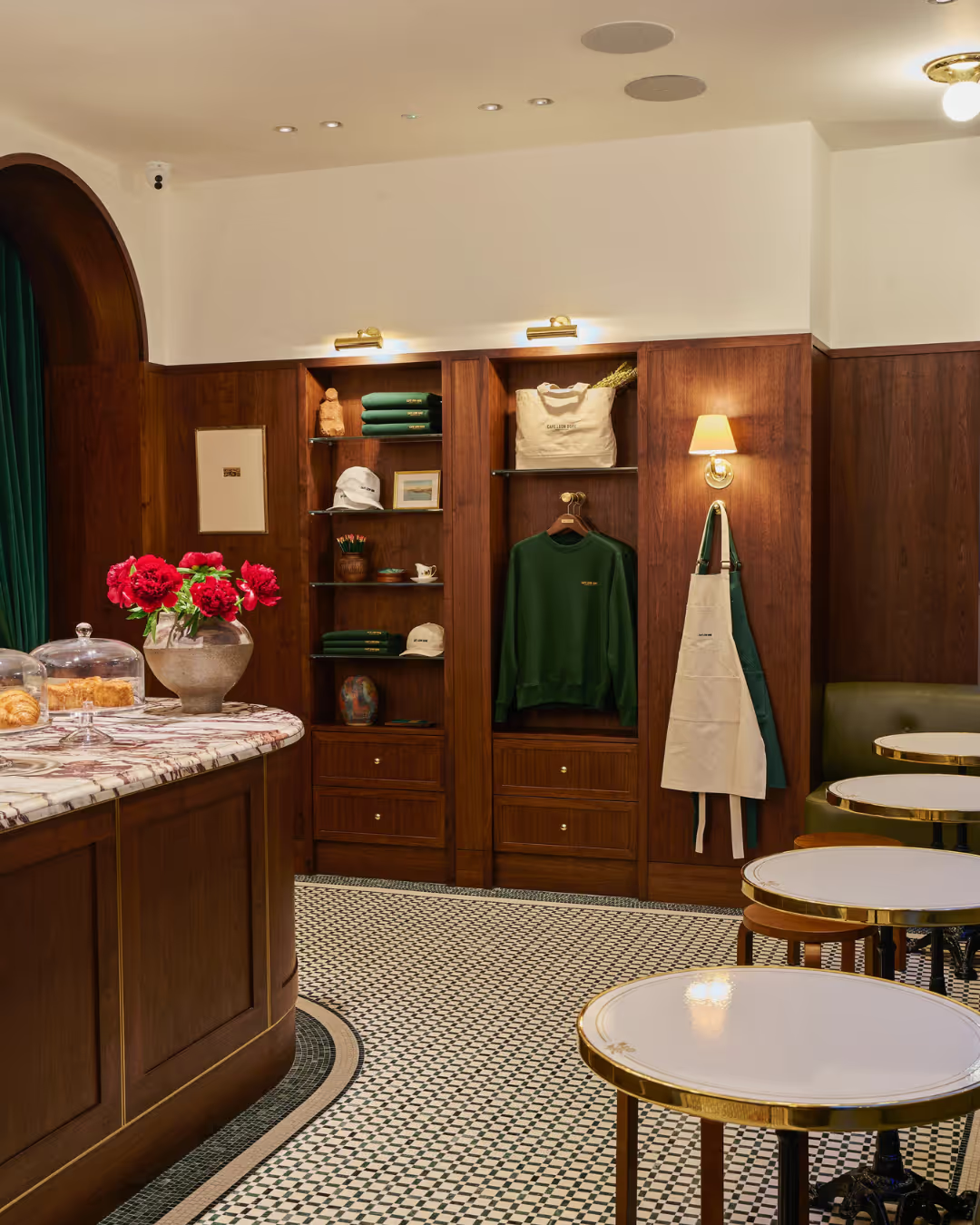
When ALD redesigned its Mulberry Street flagship, Teddy Santis leaned into a specific reference.
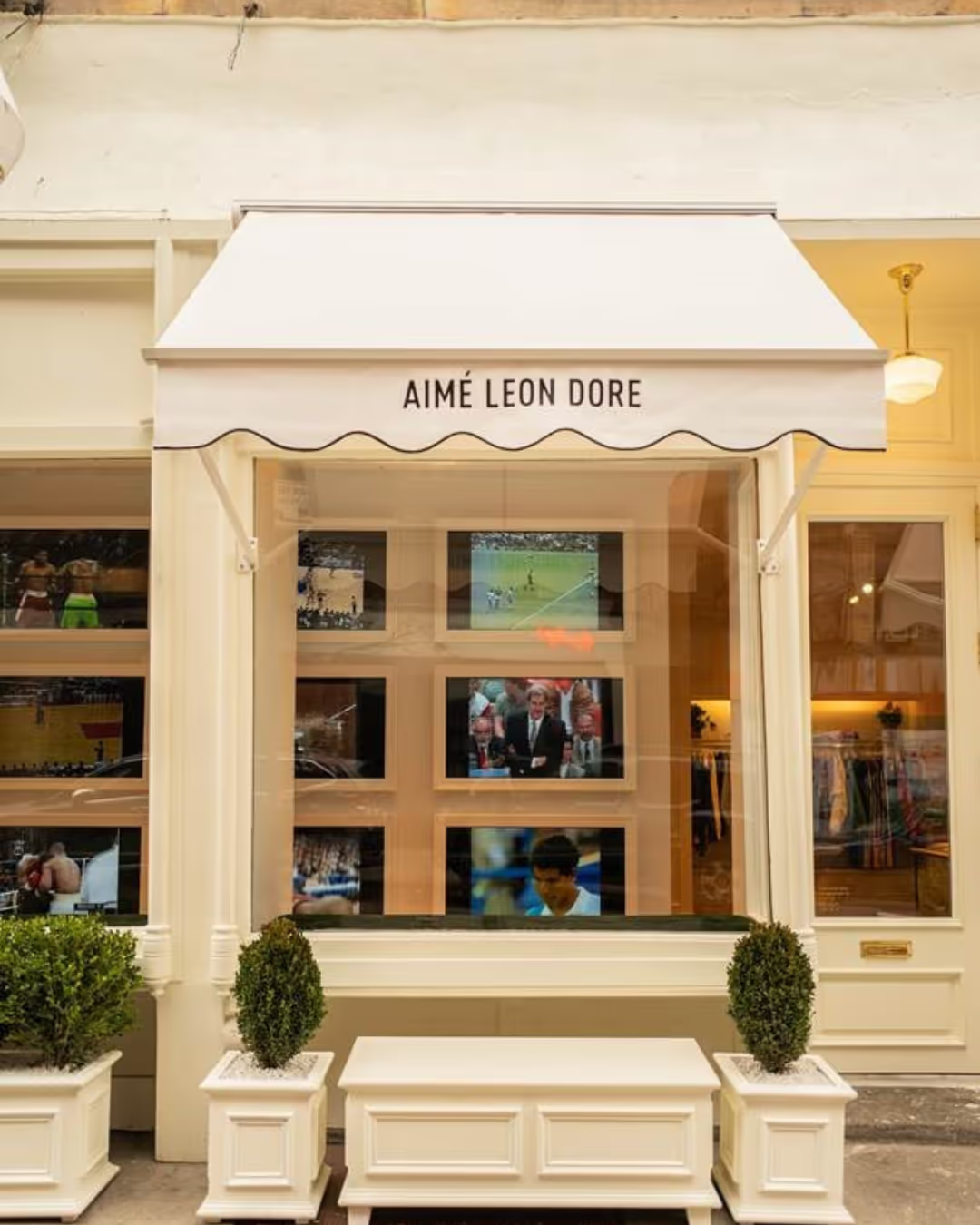
The inspiration is the mediterranean tradition of men gathering at a neighborhood cafe in the afternoon
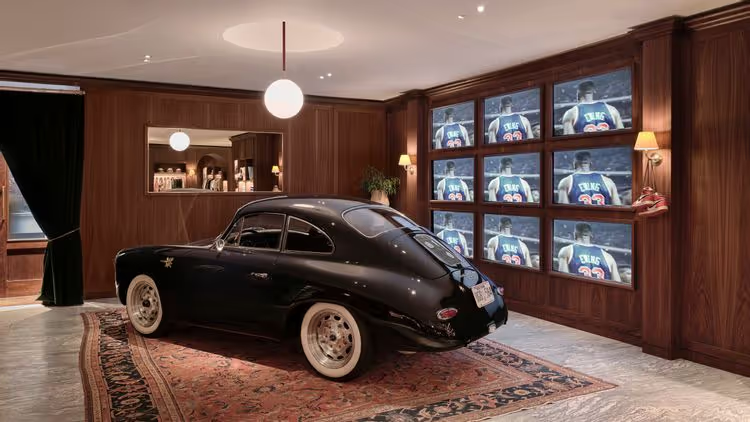
The result felt less like a store and more like a private club. The cafe is embedded into the store and during its peak had two hour wait times just to get inside the space
The cafe was the thing that made the room worth being in
Location: 337 Lafayette St, New York, NY 10012
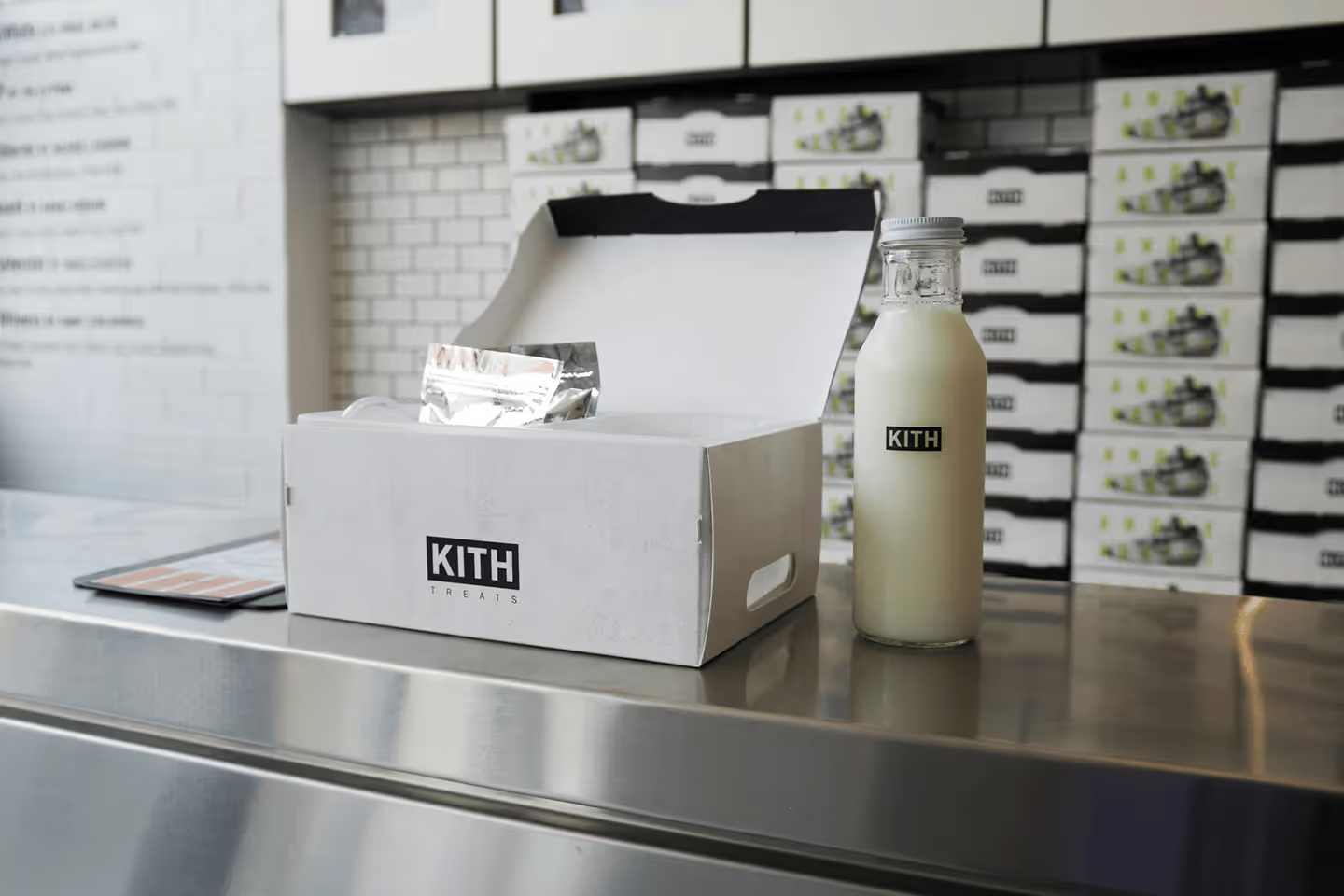
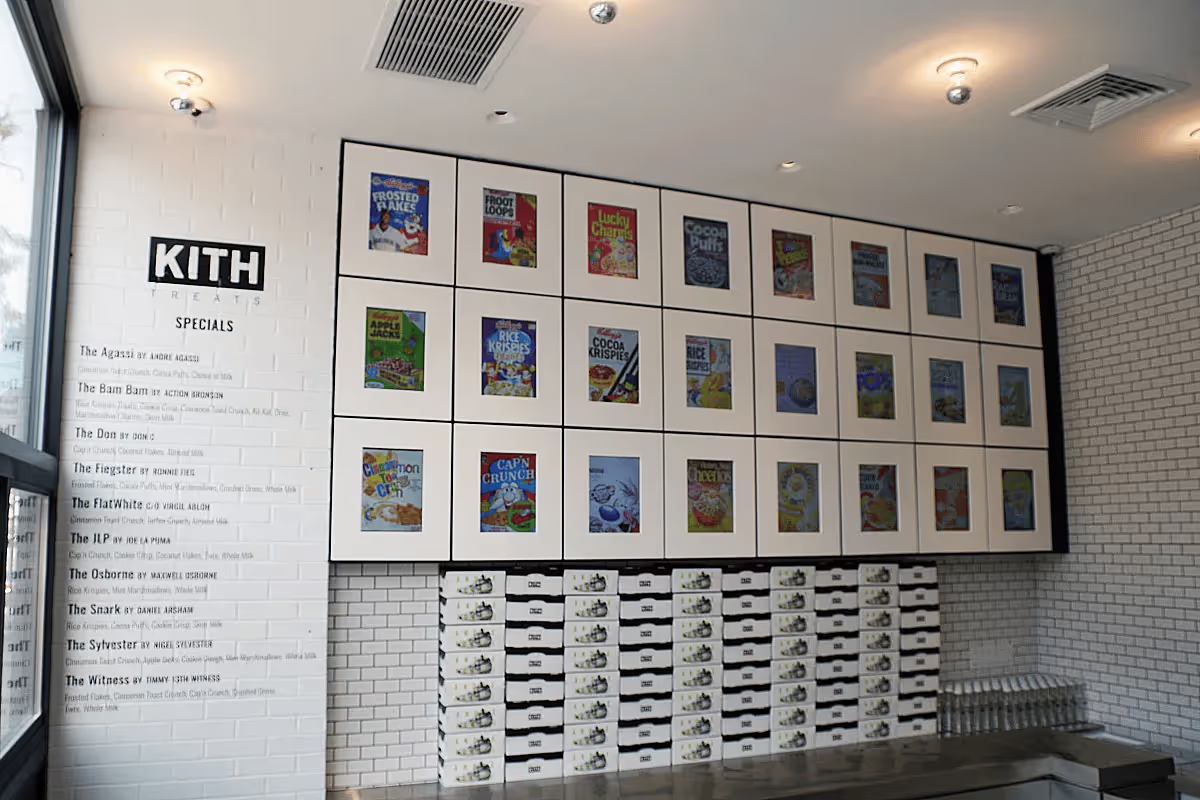
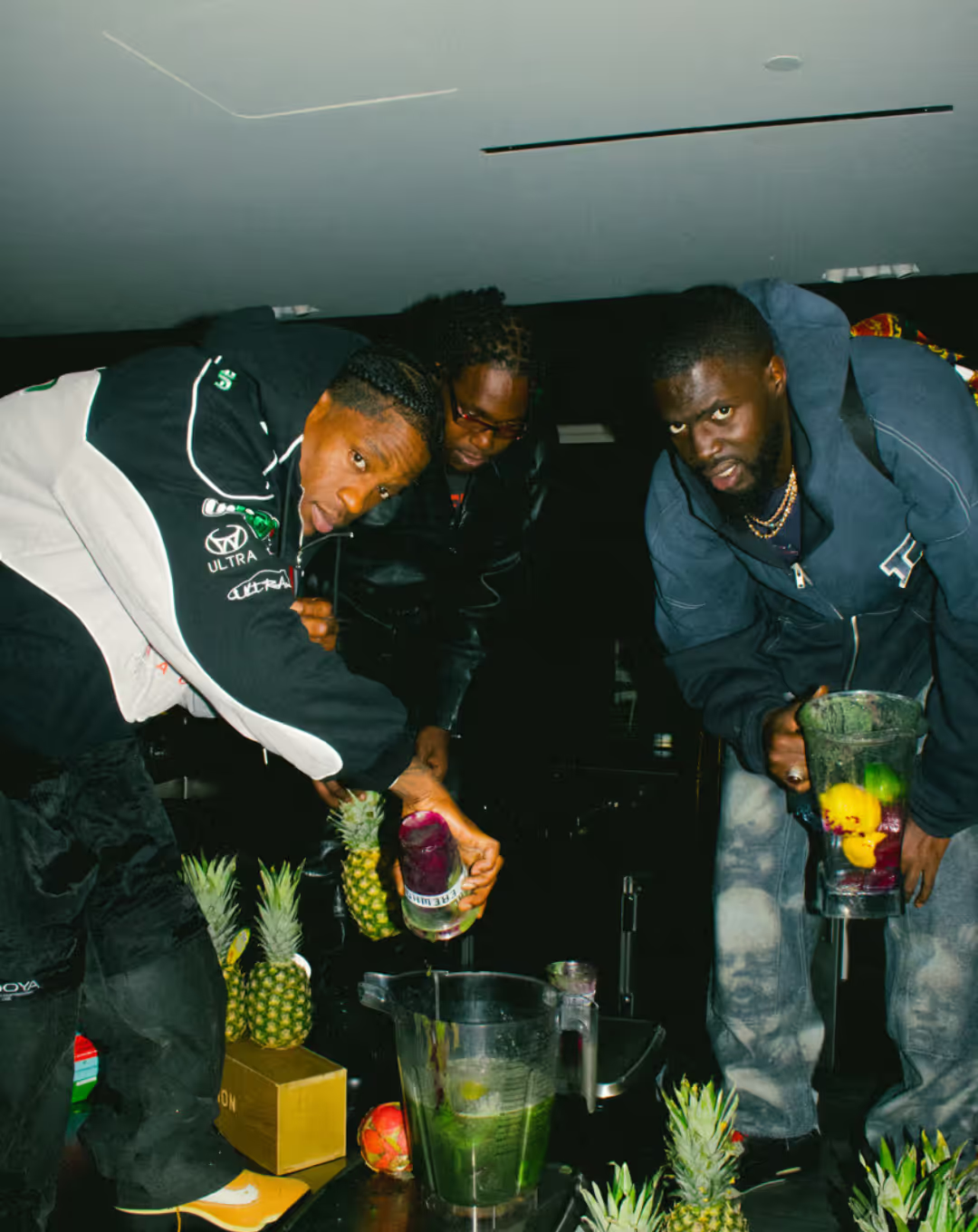
Kith had taken a different approach. When the brand opened its original flagship in 2011, it built a cereal bar into the floorplan and named it Kith Treats Customizable bowls and rotating flavors.
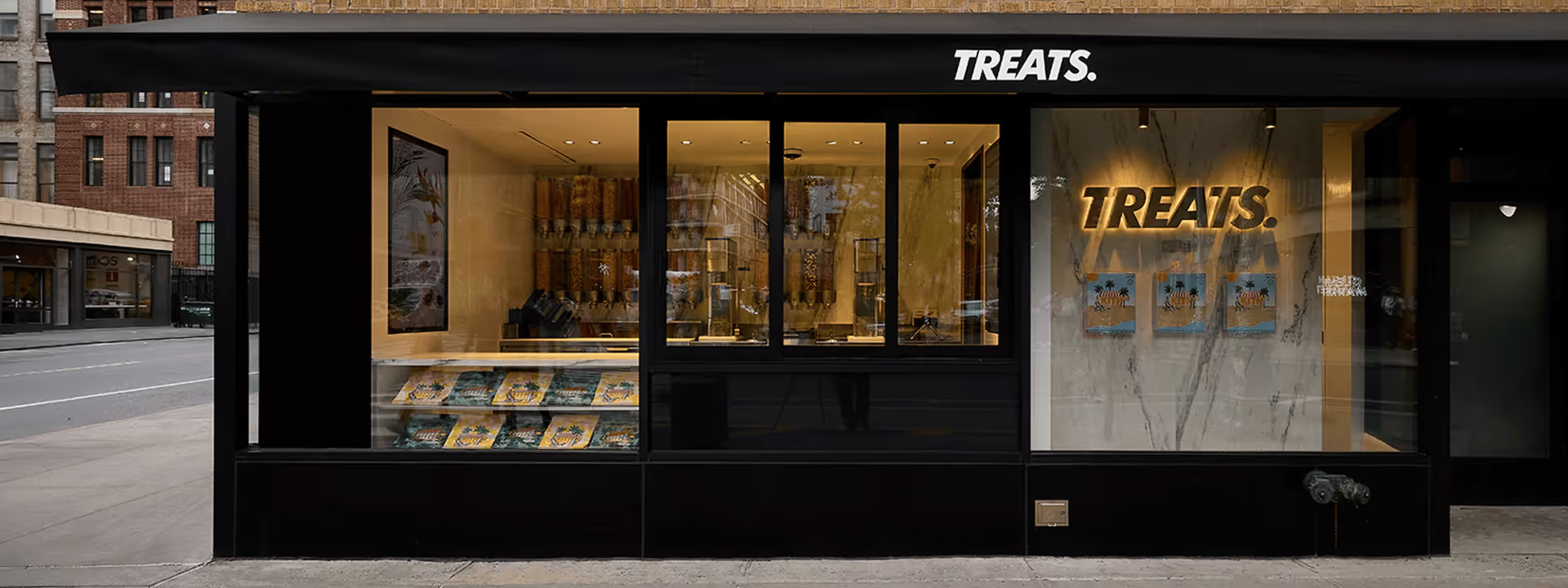
When the Manhattan flagship got its renovation, Kith moved Treats to face the streets. Right at the entrance.
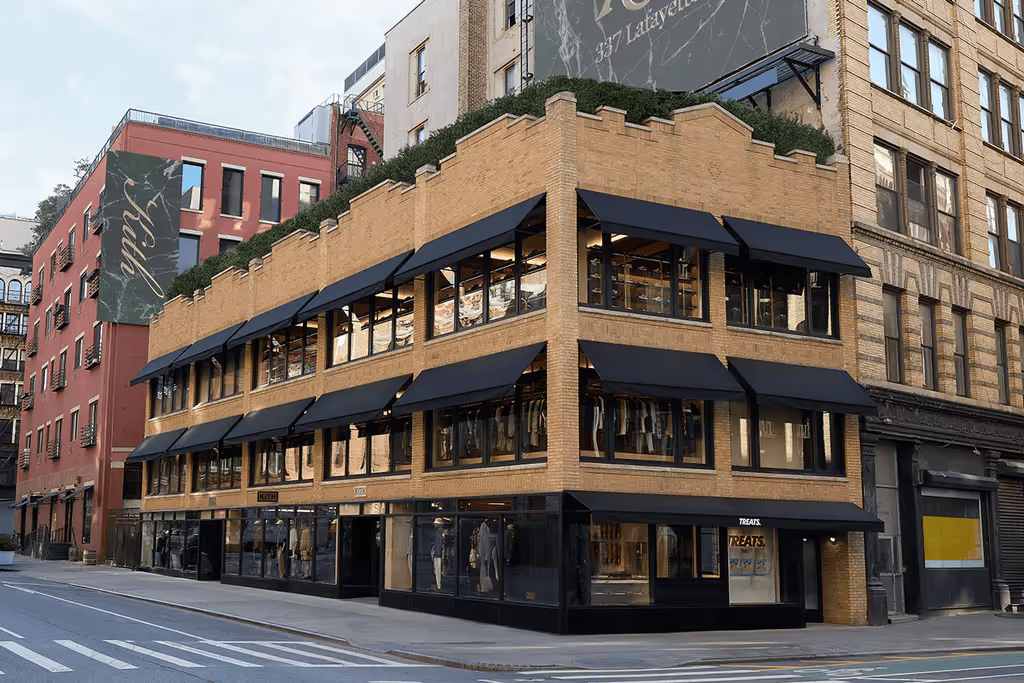
It's a strategy. You get a bowl and that’s already five minutes inside the store without touching a single piece of clothing.
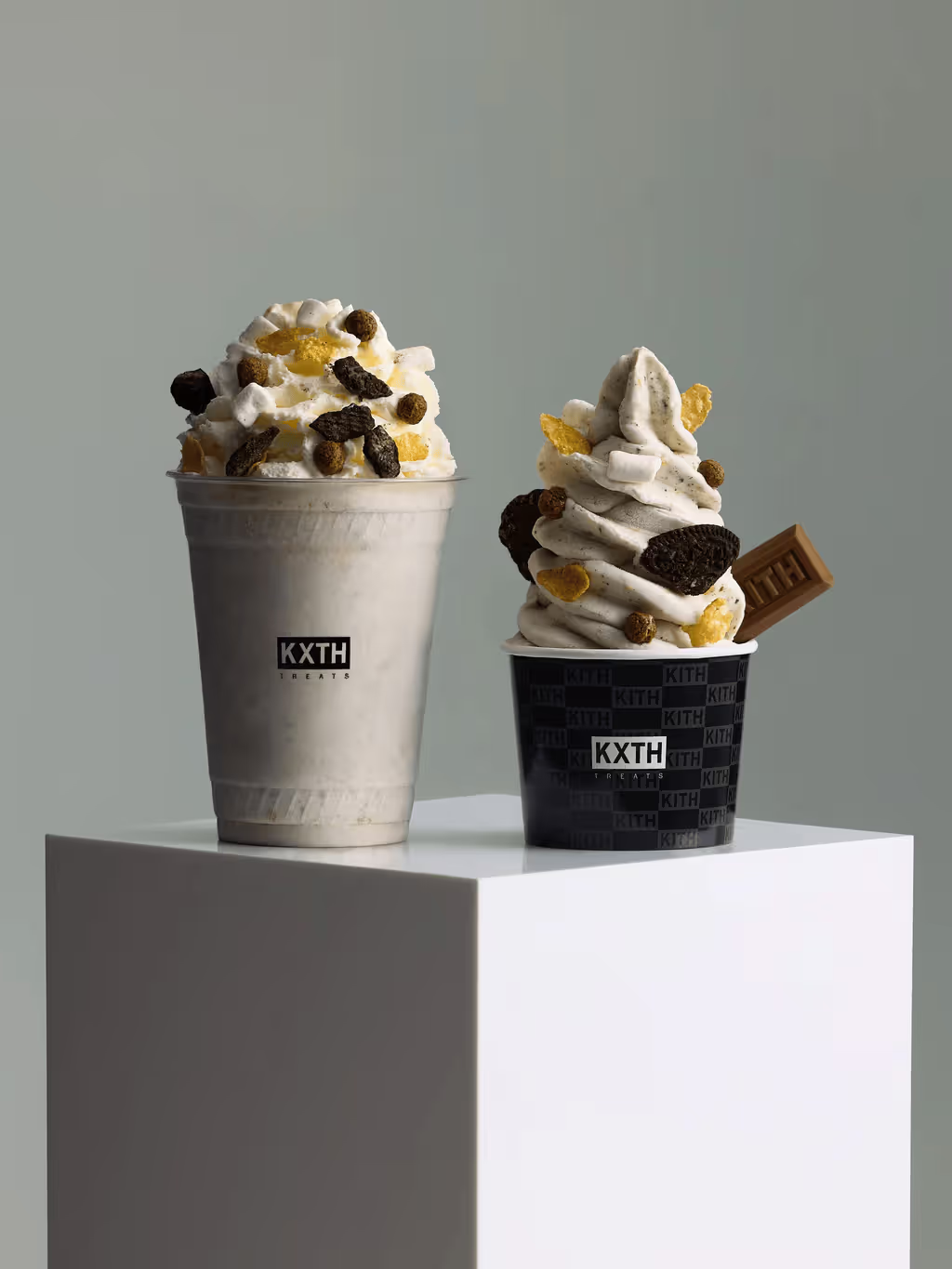
The cup that you carry out becomes the ad. The Kith logo traveling through the city.
Location: 401 Newport Center Dr Suite 201A, Newport Beach, CA 92660
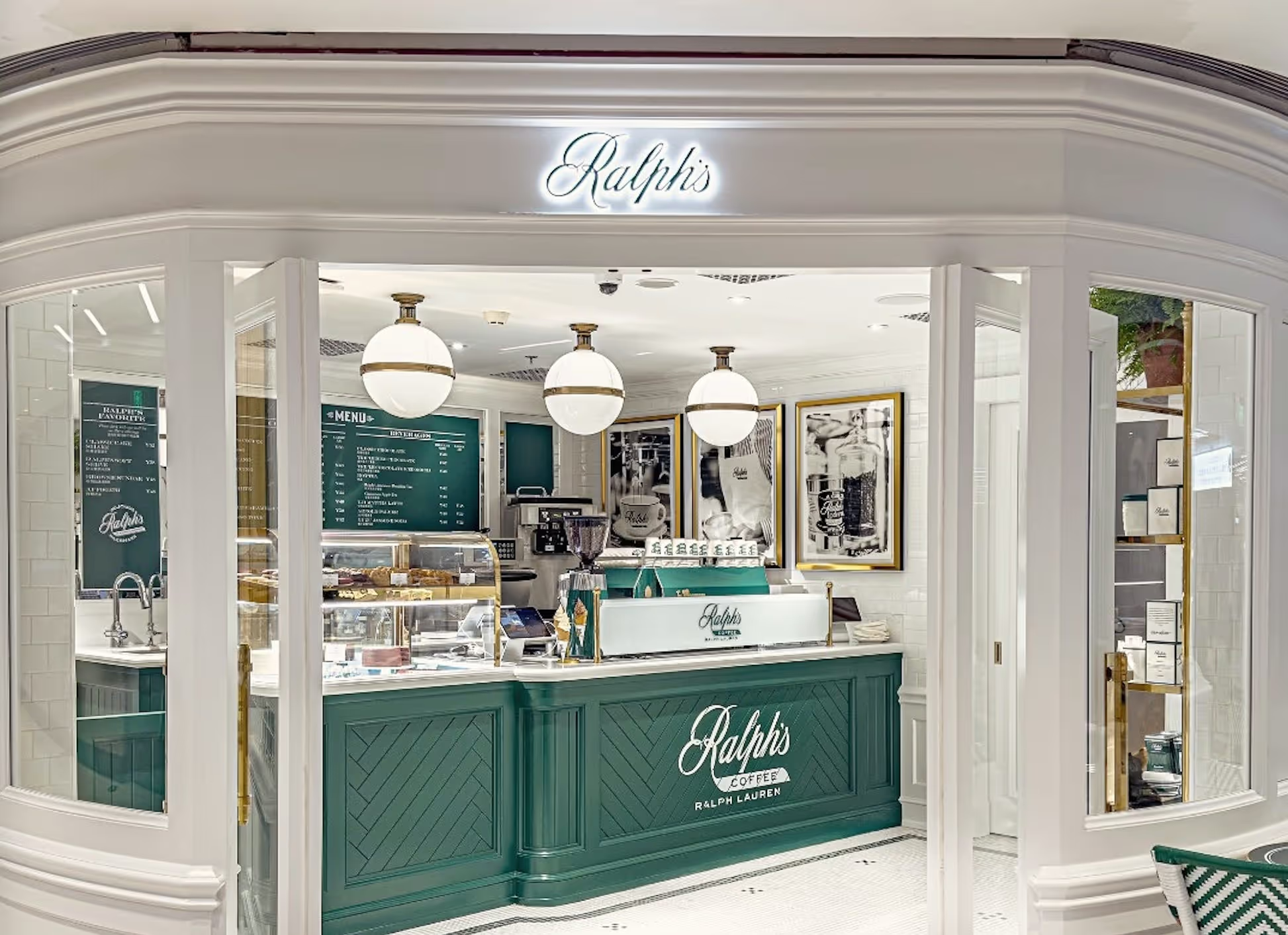
Ralph Lauren arguably went furthest of all. Ralph’s Coffee launched in 2014 as a single location and now operates over 40 locations globally.
In 2025, the brand ran coffee pop ups with no products, just drinks. CEO Patrice Louvet called it an extraordinary success, well beyond what anyone expected.
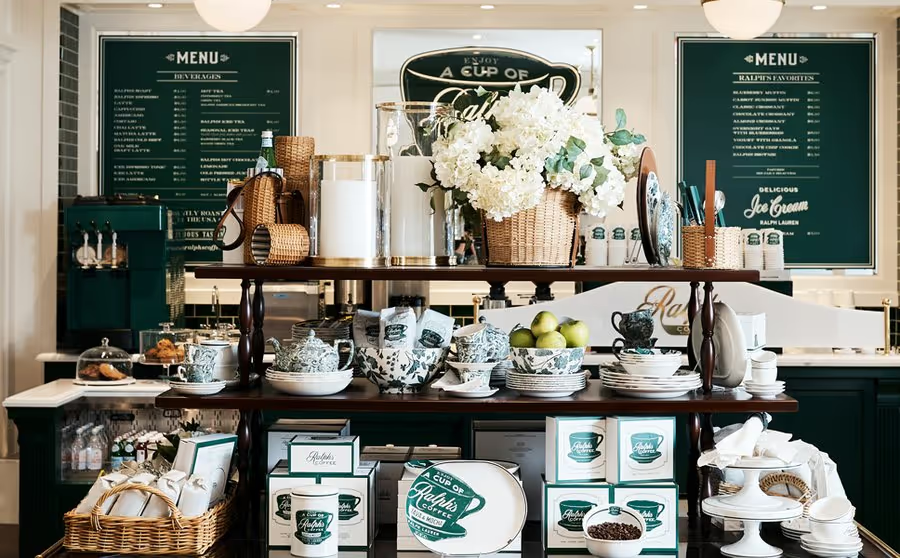
Ralph Lauren has since made it official and classified as one of the brand’s five core business categories, sitting alongside apparel, footwear, home, and fragrance.
You might buy a polo shirt once maybe twice a year. But if there’s a Ralph’s Coffee near your office, you’re in that brands orbit multiple times a week. The cafe becomes the primary relationship you have with the brand.
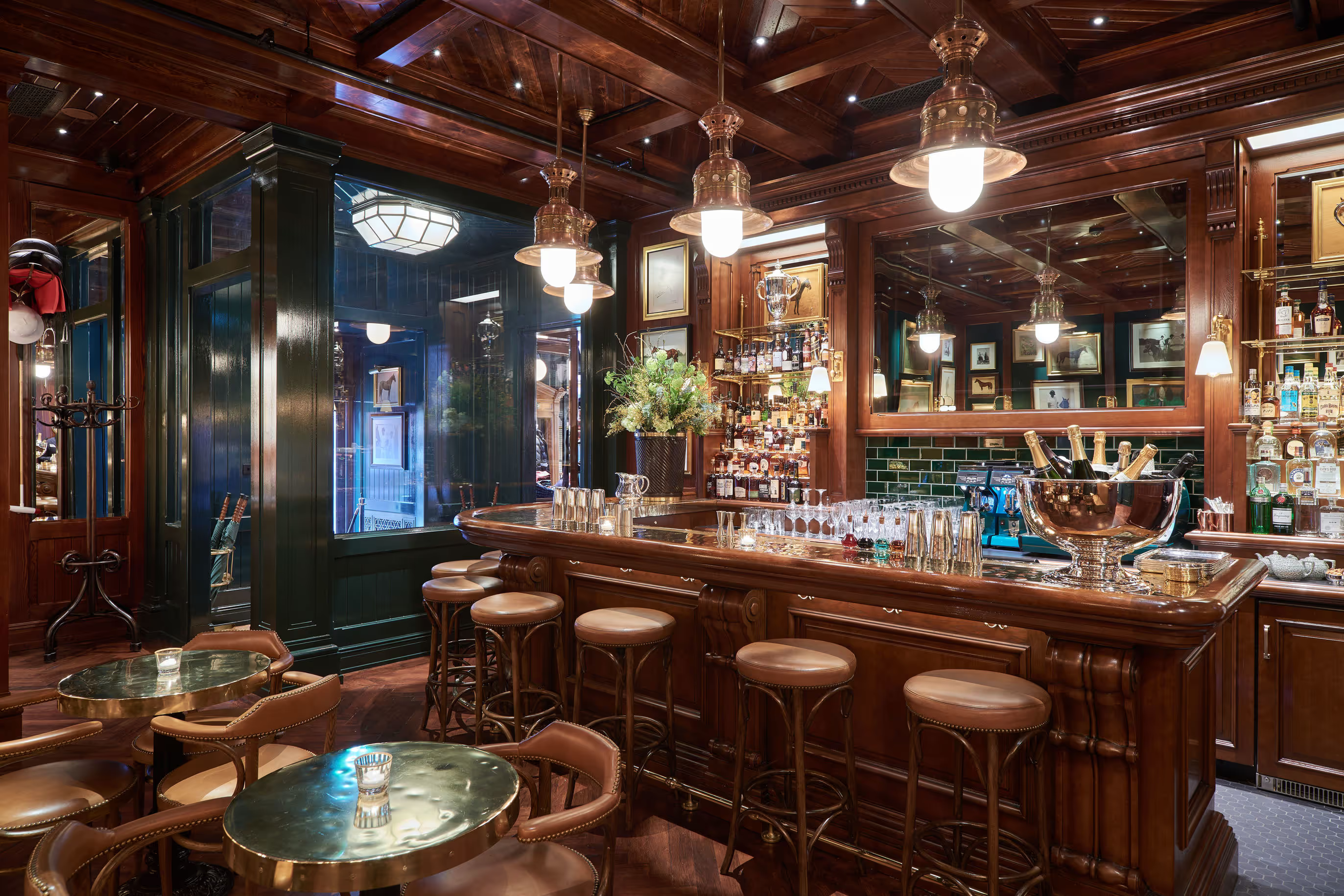
It is physiological. Food and drinks slow people down physiologically. Your more likely to rush scrolling through a website or a clothing rack. But coffee is something you can't rush. That enforced stillness is genuinely valuable for a brand trying to hold your attention.
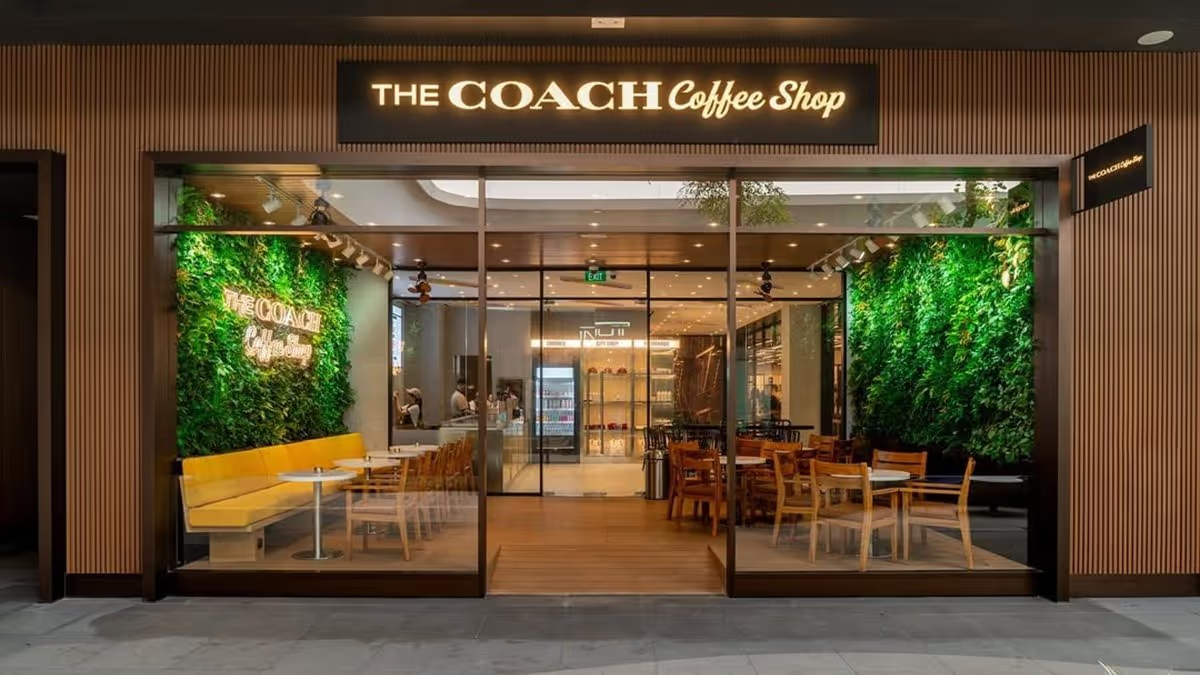
When coach added cafes to select stores, locations with them reported double to triple digit sales increase compared to those without.
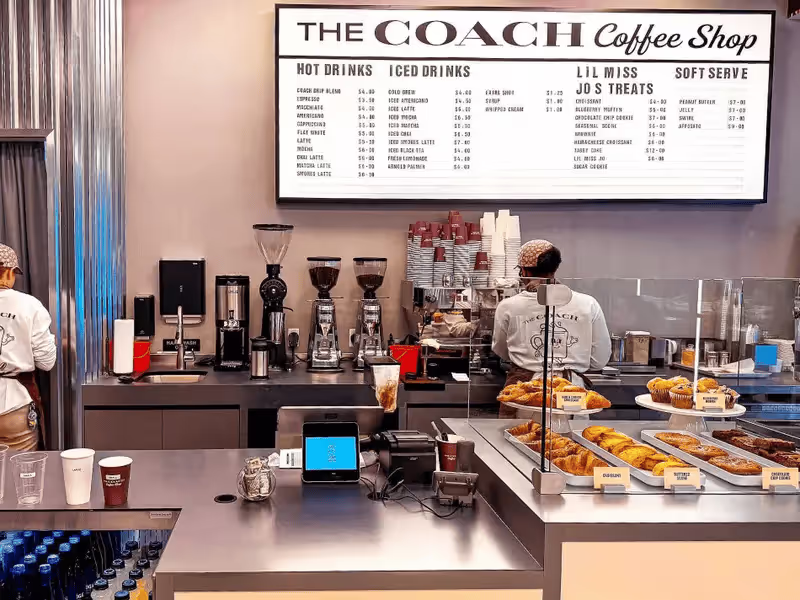
A $400 jacket is a commitment but $10 latte is not. The cafe gives people a low stakes way into the brands world, especially younger consumers who like the aesthetics but aren’t at the buying stage yet.
Physical retail isn’t going to win on product or price. What it can win on is experience and the feeling of being somewhere worth going back to. It fits into your routine in a way a retail visit just doesn’t

.avif)